

Pakistan’s Maritime Security Challenges in the Indian Ocean
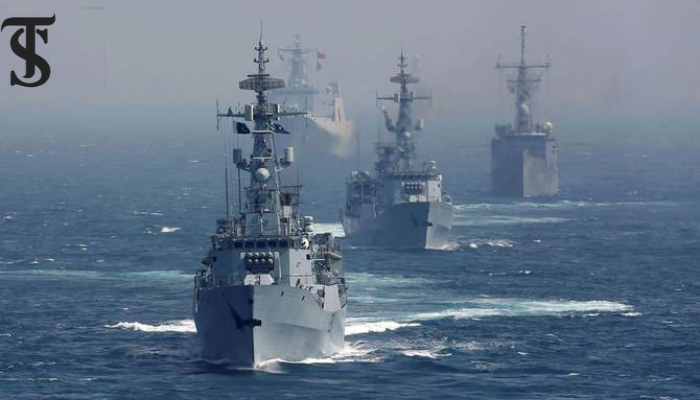
From the Persian Gulf to the Southern Ocean, and from the Strait of Malacca to the eastern coast of Africa, the Indian Ocean represents one of the most strategically and geographically significant maritime crossroads in the world. It holds immense importance for global trade, energy security, and maritime stability. Nearly 17 million barrels of oil transit daily through the Indian Ocean’s major choke points, primarily the Strait of Hormuz and the Strait of Malacca.
Pakistan occupies a critical geostrategic position in the Indian Ocean, connecting the Persian Gulf with Central Asia and China. Consequently, the security of the Indian Ocean is directly linked to Pakistan’s internal security and regional stability. India’s expanding military footprint in the Indian Ocean, the growing presence of non-state actors such as Al Qaeda and Al Shabab, and persistent piracy pose serious security challenges for Pakistan. Pakistan’s maritime policy is primarily focused on safeguarding its economic interests, which are closely tied to the security of its sea lines of communication.
The China–Pakistan Economic Corridor (CPEC) is a flagship initiative that provides China with access to the Persian Gulf and a strategic foothold in the Indian Ocean. However, the rising threats of terrorism and piracy in the region also endanger CPEC and Pakistan’s broader economic plans. As a result, maritime security in the Indian Ocean has increasingly become a core component of Pakistan’s national security strategy.
The evolving great power competition between the United States and China has further intensified strategic dynamics in the Indian Ocean, drawing in regional powers such as India and Pakistan. In an effort to counter China’s influence in both the Pacific and Indian Oceans, the United States has significantly expanded its naval cooperation with India, viewing it as a key strategic partner. Regular joint naval exercises such as Malabar, along with collaboration on advanced defence technologies including INDUS-X, iCET, and unmanned aerial systems, have the potential to alter the balance of power in the region. From the U.S. perspective, these initiatives aim to deter China, while from India’s standpoint, they are intended to achieve naval superiority over Pakistan and undermine CPEC.
In response to this evolving geopolitical environment, Pakistan has shifted greater strategic focus toward maritime security, recognizing it as a matter of national survival rather than a secondary concern. Pakistan is rapidly modernizing its navy to establish a credible deterrence-based presence in the Indian Ocean, with Gwadar emerging as a central node of its maritime strategy. The acquisition of advanced platforms, including Hangor-class submarines and modern surface combatants, reflects Pakistan’s emphasis on an Anti-Access and Area Denial strategy to counter India’s growing naval presence.
Alongside military modernization, Pakistan has enhanced its soft power projection and naval cooperation, particularly with China and Türkiye, which have emerged as reliable partners in maritime defence and military collaboration. Pakistan continues to adhere to the doctrine of minimum credible deterrence to balance India’s expanding naval capabilities.
Historically, Pakistan’s policymakers paid limited attention to the strategic importance of sea power. However, in recent years, there has been a notable shift in national thinking. Since 2018, Pakistan has significantly increased maritime patrols and surveillance efforts. With the advent of CPEC, the importance of maritime security and sea power has become even more pronounced.
Beyond state-based competition, the presence of non-state actors remains a major concern. Groups such as Al Qaeda and Al Shabab exploit the maritime domain for logistics, movement, and attacks. Karachi and Gwadar serve as the backbone of Pakistan’s economy, with Karachi handling the majority of foreign trade and Gwadar emerging as a hub for regional connectivity under CPEC. The continued operation of these ports faces serious threats from non-state actors operating in the Indian Ocean region.
Piracy also remains a persistent challenge. To counter this threat, the Pakistan Navy has taken commendable steps that have significantly reduced piracy incidents. Pakistan Navy has been one of the most active regional navies in counter-piracy operations, particularly in the Gulf of Aden. It has consistently contributed resources to international efforts, collaborated with the Combined Maritime Forces, and successfully commanded Combined Task Force 151. Regular deployments of Pakistani naval vessels to international anti-piracy patrols in the Arabian Sea and the Gulf of Aden have proven effective in deterring pirate attacks and protecting merchant shipping.
Pakistan has further strengthened coastal security through enhanced institutional coordination and intelligence sharing, primarily via the Joint Maritime Information and Coordination Center. The JMICC functions as a centralized command and control hub, enabling real-time maritime data analysis, coordination among maritime agencies, and unified responses, replacing previously fragmented efforts.
Pakistan has emerged as a key stakeholder in the Indian Ocean, contributing to regional stability through both military and economic engagement. Given the rise of regional and extra-regional powers, non-traditional security threats, and the need to protect vital economic corridors, Pakistan requires a multidimensional approach to Indian Ocean security. This approach must integrate military preparedness, diplomatic engagement, and sustained international cooperation to ensure long-term maritime stability.
Disclaimer: The views and opinions expressed in this article are solely those of the author and do not necessarily reflect the editorial stance, policies, or official position of The Spine Times.


