

Silent Killer in the Crate: How Calcium Carbide Turns Pakistan’s Mangoes Toxic
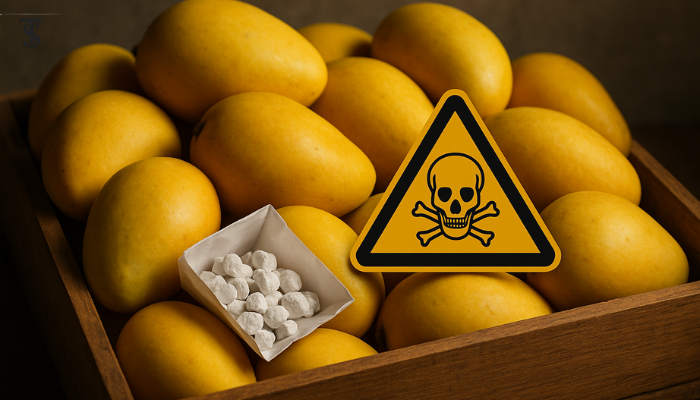
The mango season is on—a time eagerly awaited by people of all ages in Pakistan. Mangoes are not just a fruit; they are a seasonal delight that dominates the market and dining tables alike. Unlike many other fruits that are consumed occasionally, mangoes are eaten in large quantities on a daily basis throughout their short season. Because of their popularity and high demand, there is immense pressure on sellers to supply ripe, ready‑to‑eat mangoes quickly. Unfortunately, this demand is generally—and very frequently—met through the use of harmful chemical methods, the most common being calcium carbide.
Most mango lovers are unaware that a large proportion of mangoes sold in the market are not naturally ripened. Instead, they are forced to ripen using calcium carbide, a chemical that releases acetylene gas when it comes into contact with moisture. This gas mimics the effect of ethylene, a natural fruit‑ripening agent, and causes the fruit to soften and turn yellow rapidly. Because of this ability, calcium carbide is frequently used by traders and farmers to ripen fruits such as mangoes, bananas, papayas, and apples before they reach the market. The use of calcium carbide speeds up the ripening process significantly. Fruits that would naturally take several days to ripen can be made to appear ripe in just one to two days. This rapid turnaround is commercially appealing, as it reduces transportation losses, shortens storage time, and ensures a visually appealing product for consumers. When you purchase a crate of mangoes, you might notice a small packet inside containing white or greyish lumps—that is calcium carbide. Its presence in the box is an unmistakable sign that the fruit has been chemically treated.
Scientific research studies and health experts have repeatedly warned about the toxic effects of calcium carbide on human health. Alarmingly, traces of this chemical have been found in the blood of individuals who regularly consume such artificially ripened fruits. This indicates that calcium carbide not only contaminates the fruit externally but is also absorbed into the pulp that we eat. The long‑term consumption of these chemically treated mangoes and other fruits has been linked to a range of health issues, including neurological disorders, gastrointestinal problems, and, most seriously, cancer. Acetylene gas released by calcium carbide irritates the respiratory system. People handling these fruits or exposed to the gas may suffer from coughing, shortness of breath, and chest congestion. Pregnant women and young children are more susceptible to the harmful effects, which can include developmental issues and low birth weight in infants.
Calcium carbide contains impurities such as arsenic and phosphine, both of which are known to cause cancer. This makes its use in food items highly dangerous and ethically unacceptable. Despite being banned in many countries for ripening purposes, it is still widely used due to weak regulatory enforcement and a lack of public awareness.
Consumers need to be vigilant and cautious, and should prefer naturally ripened fruits. They are more edible, tastier, softer, and more nutritious. The natural ripening of fruits takes place only after proper maturity. Ripening is a genetically programmed, highly coordinated, irreversible phenomenon that involves many biochemical changes, including tissue softening, color changes, the production of aroma and flavor volatiles, reduction in acidity, and many others.
Buying mangoes that appear overly shiny, uniformly yellow, or ripened too early in the season may be a sign of artificial ripening. Whenever possible, people should choose sellers who use natural ripening methods or ethylene‑based ripening chambers, which are much safer alternatives.
Beyond human health, calcium carbide also has environmental consequences. Its unsafe handling and disposal can contaminate soil and water resources. In Pakistan, using calcium carbide for ripening fruits is prohibited under the Food Safety and Standards Regulations, yet enforcement remains inconsistent.
There is an inevitable need for public awareness, stricter enforcement of food‑safety laws, and the promotion of safer alternatives. The ultimate goal should be to ensure that the fruits we consume not only look appealing but are also safe and healthy.
Disclaimer: The views and opinions expressed in this article are solely those of the author and do not necessarily reflect the editorial stance, policies, or official position of The Spine Times.

Asaad Javaid Mirza
The writer is a Clinical Professor in Operative Dentistry and currently serves as the Dean of the Faculty of Dentistry at Baqai Medical University, Karachi. With over 45 years of experience in clinical dentistry and 34 years in dental education, he has authored more than 100 scientific publications, including editorials, case reports, and original research papers in nationally and internationally indexed journals.